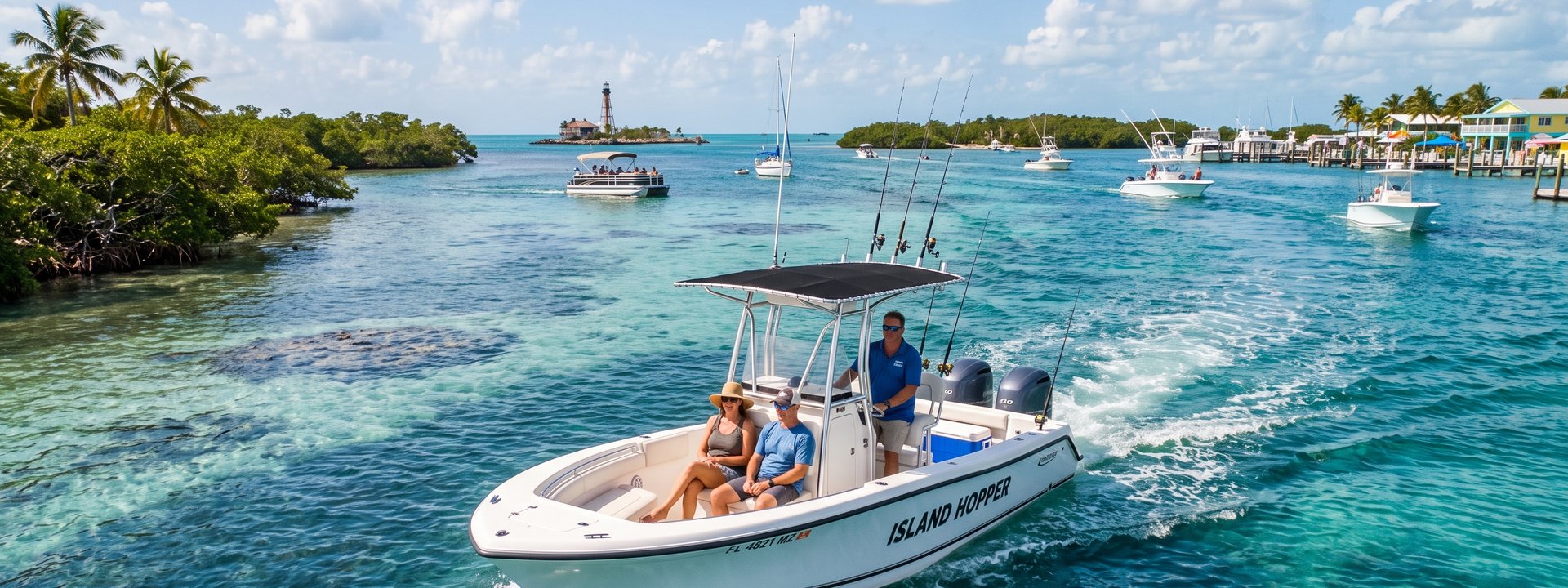
The Florida Keys offer spectacular sailing but unique risks — reef navigation, strong tidal currents, and hurricane vulnerability. Here's what Keys sailors need to know about marine insurance.
The Florida Keys: America's Caribbean
The Florida Keys represent one of the most unique cruising destinations in North America — a 125-mile chain of islands connected by the Overseas Highway, bordered to the northeast by the Atlantic Ocean and to the southwest by the Gulf of Mexico and Florida Bay. The Keys offer consistent trade winds, clear turquoise water, world-class fishing, and the only living coral reef barrier system in the contiguous United States.
For sailors, the Keys provide both extraordinary beauty and genuine navigational challenges. Understanding the specific risks of Keys sailing — and ensuring your marine insurance is adequate for the environment — is essential before you unfurl the jib.
The Two Faces of Keys Sailing
Sailing the Keys means choosing between two dramatically different environments:
The Ocean Side (Hawk Channel)
The Atlantic Ocean side, accessed through Hawk Channel running inside the reef, offers steadier trade winds and deeper water. Hawk Channel runs inside the barrier reef, providing protected passage between Miami and Key West at depths of 9–17 feet. This is the primary sailing route for coastal cruisers. The offshore Atlantic provides access to deep water and Gulf Stream sailing.
The Bay Side (Florida Bay and the Backcountry)
Florida Bay on the Gulf side and the Keys backcountry offer a completely different sailing experience — shallow-draft sailing in protected, warm, wind-swept shallows. Draft restrictions of 3–4 feet are common in many areas. This environment is spectacular but requires careful navigation and shallow-draft vessels.
Key West: The End of the Road
Key West is the southernmost city in the continental US and a legendary sailing destination. The Key West Bight Marina and Garrison Bight Marina serve hundreds of visiting and resident sailboats. Key West Race Week in January draws world-class racing yachts from around the globe. The consistent trade winds and the Keys' legendary sunset celebrations make Key West a sailing bucket-list destination.
Reef Navigation: Your Biggest Insurance Risk
The Florida Keys National Marine Sanctuary encompasses the only living barrier coral reef in North America. Reef damage is taken extremely seriously — and the financial consequences for a vessel that grounds on the reef can be severe in multiple ways:
- Hull damage: Coral can tear through fiberglass rapidly — groundings are often catastrophic
- Environmental liability: Federal law imposes strict liability for reef damage, with fines running into the tens of thousands or more
- Criminal liability: Deliberate or negligent reef damage can result in criminal charges
Your marine insurance must include adequate environmental liability coverage for reef operations. Reef damage claims are complex — involve your insurer immediately if you ground on the reef.
Insurance Specifics for Keys Sailing
Keys sailors need marine insurance that specifically addresses:
- Navigation area: Confirm your policy covers Florida Keys National Marine Sanctuary waters
- Shallow water grounding: Policy language around grounding incidents is critical for backcountry sailing
- Extended navigation: Dry Tortugas passages require offshore navigation endorsements
- Cuba proximity: Passages near Cuba require specific navigation area discussion with your broker
- Hurricane evacuation: Keys can be cut off by storms — understand your policy's storm requirements
Dry Tortugas: The Ultimate Keys Passage
70 miles west of Key West, the Dry Tortugas National Park is accessible only by boat or seaplane. The historic Fort Jefferson and pristine coral reef system make it an extraordinary sailing destination. The passage across the open Gulf of Mexico to the Tortugas requires offshore navigation coverage, weather routing, and EPIRB/PLB safety equipment. Discuss this passage specifically with your insurance broker before you go.
Seasonal Considerations
Florida Keys sailing is year-round, but seasons matter:
- Winter (Dec–Mar): Best sailing conditions with consistent NE trade winds, but cold fronts can bring strong northerlies
- Spring (Apr–May): Transitional — generally settled conditions, mild temperatures
- Summer (Jun–Sep): Hurricane season. SE trades prevail when no storms threaten. Afternoon thunderstorms frequent
- Fall (Oct–Nov): Hurricane season winds down. Excellent fishing. Gradually improving sailing
The FloridaCover editorial team has over 15 years of combined experience covering US marine insurance, Florida boating, and maritime industry research.