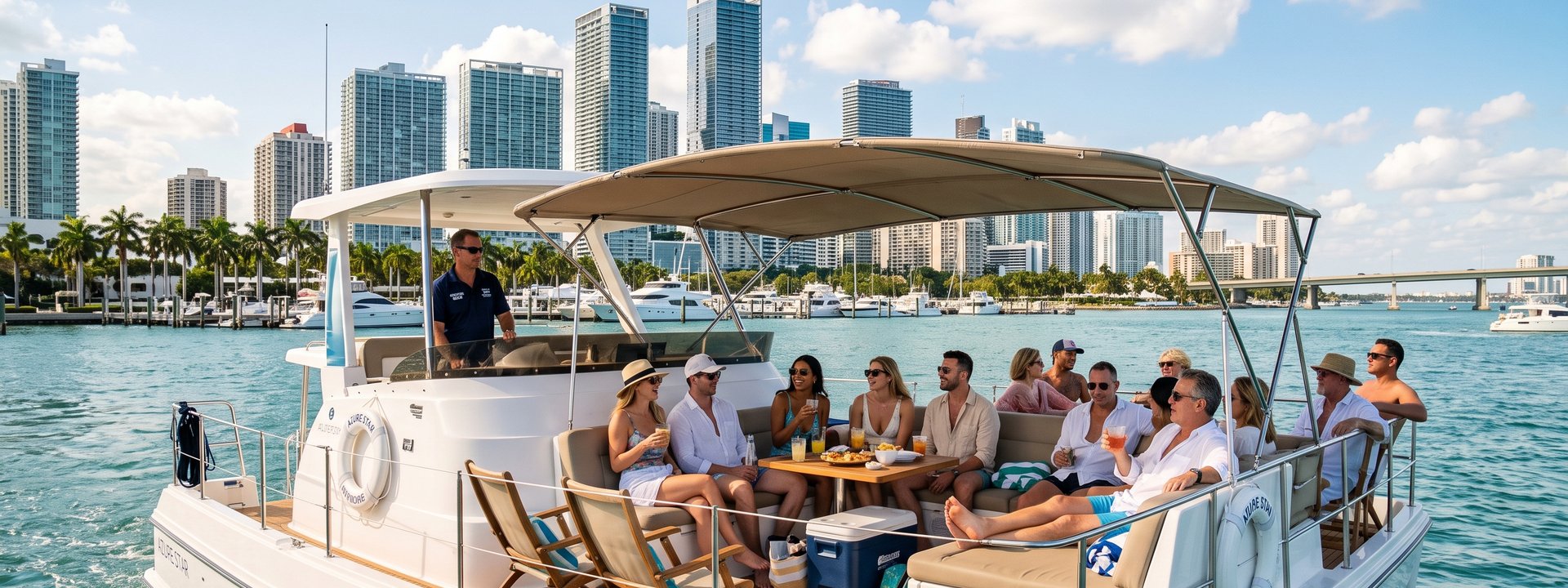
Your choice of marina affects your boat's safety, maintenance costs, and insurance premiums. Here's how to find the right berth for your vessel on Florida's waterways.
Why Marina Selection Matters
Where you keep your boat matters more than many new boat owners realize. Your marina choice affects your vessel's safety, your day-to-day convenience, your maintenance costs, and even your marine insurance premiums. Some Florida marinas have security measures and facilities that insurers recognize positively when setting your rate. Others present higher risk profiles due to their exposure to weather, crime, or congestion.
Types of Florida Marinas
Florida's marina landscape covers several types of facilities:
- Full-service marinas: Offer slips, fuel, repairs, and haul-out facilities. These are ideal for boat owners who want everything in one place.
- Dry storage facilities: Your boat is stored on land and launched by forklift when needed. Excellent protection from weather and theft — and often preferred by insurers.
- Mooring fields: Floating moorings managed by local authorities or private operators. Lower cost but less secure than a slip.
- Yacht clubs: Member-only facilities with social benefits, often well-maintained with good security.
- Municipal marinas: City or county-operated, often at lower cost but variable quality.
Key Factors to Evaluate
When selecting a Florida marina, consider these critical factors:
Security
Marine theft is a real concern in Florida. Look for marinas with controlled access gates, 24-hour security or staff, CCTV surveillance, and strong lighting. Secure storage for outboard motors and electronics is a bonus.
Hurricane Protection
Florida's hurricane history makes storm protection a top priority. Evaluate the marina's exposure to wind and storm surge. Ask about the marina's hurricane preparation protocols and whether there are designated hurricane holes or haul-out capacity. Your insurer may require you to store your vessel at an approved facility during storms.
Water Depth
Confirm the marina's dredged depth is adequate for your vessel at low tide. Florida's tidal variation is modest (0–3 feet in most areas), but seasonal variations and weather effects can temporarily reduce depths. A boat sitting on the bottom damages its hull and can void your insurance.
Facilities and Services
Consider the available amenities: fuel dock, pumpout station, electricity, water, WiFi, restrooms, showers, laundry, and on-site repairs. A full-service marina can save significant time and money over a slip-only facility.
Insurance Implications of Marina Choice
Your marina choice can directly affect your marine insurance:
- Marinas in high-crime areas may attract higher comprehensive premiums
- Open anchorages and mooring fields are considered higher risk than secured slips
- Dry storage typically receives favorable treatment from insurers
- Some insurers require your marina to meet minimum standards for slip assignments
- Hurricane haul-out capacity at your marina can affect storm coverage requirements
Marina Costs in Florida
Marina costs vary widely across Florida:
- Small recreational slips: $8–$20 per foot per month
- Mid-size marina slips: $15–$30 per foot per month in premium areas
- Superyacht facilities (Fort Lauderdale, Palm Beach): $50–$100+ per foot per month
- Dry storage: typically $5–$15 per foot per month
- Anchorage/mooring: $15–$50 per night in popular areas
Questions to Ask Before Committing
Before signing a marina lease:
- What is the hurricane evacuation or haul-out policy?
- What security measures are in place?
- What is the waiting list for larger slips?
- What liveaboard policies apply (if relevant)?
- What are the liability insurance requirements for slip holders?
- Are there guest dock facilities for visitors?
- What maintenance is prohibited or required by the marina?
A good marina is a long-term partnership. Take the time to visit multiple facilities, talk to other boat owners, and choose a location that fits your boating lifestyle and vessel's needs.
The FloridaCover editorial team has over 15 years of combined experience covering US marine insurance, Florida boating, and maritime industry research.