Powerboat Insurance
in Florida
Speed and versatility on Florida waters
Florida leads the nation with over 1 million registered boats
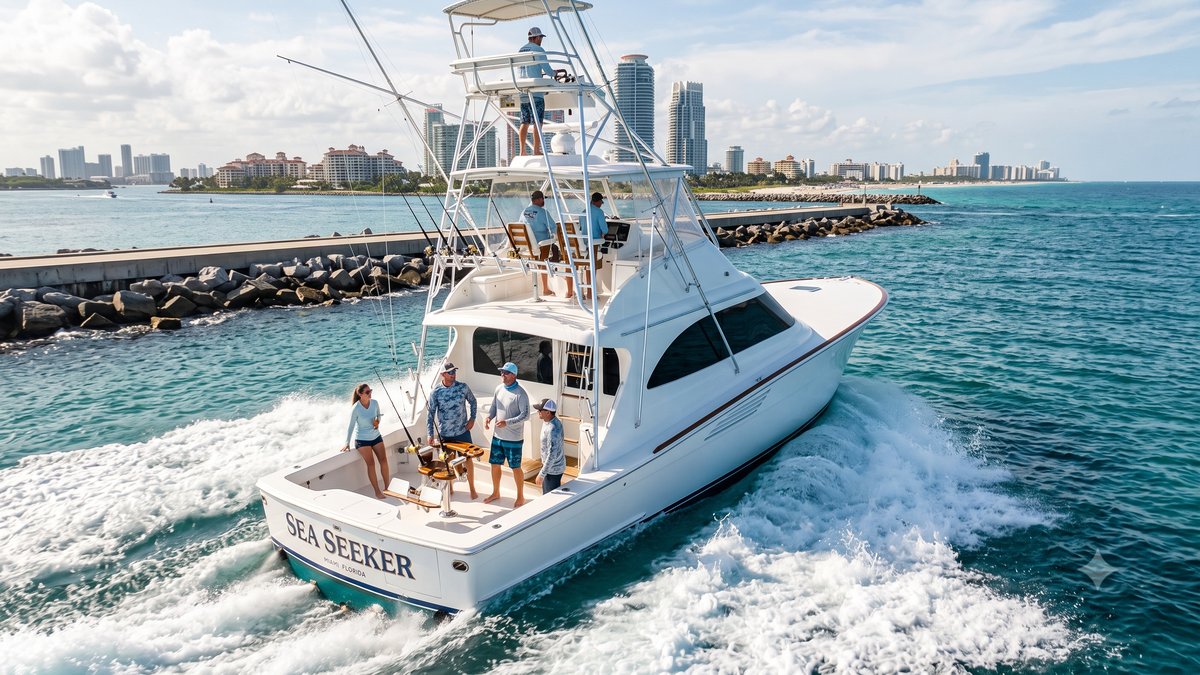
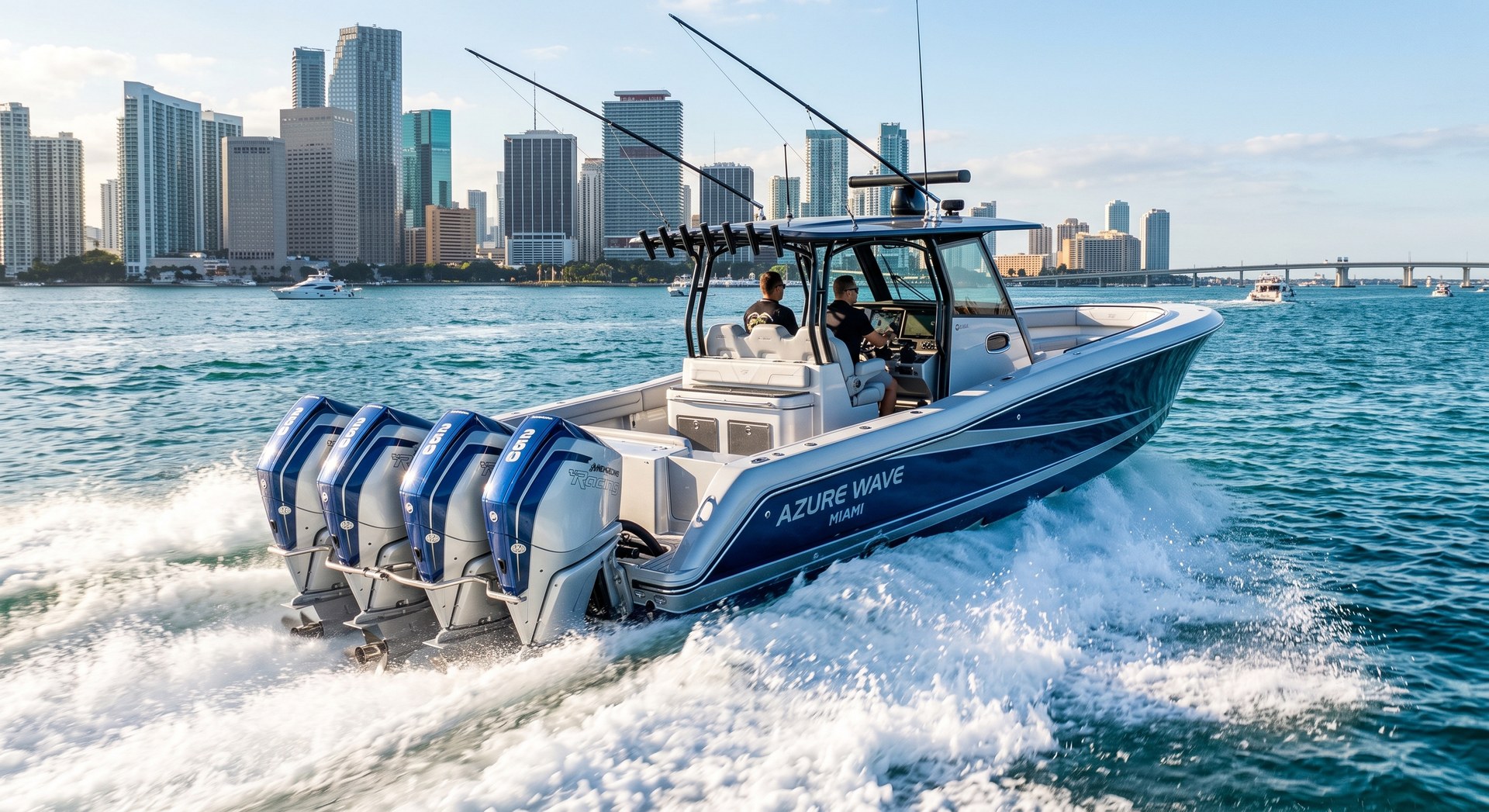
Center consoles are the most popular powerboat style in South Florida
Hurricane season (June–November) makes hurricane haul-out coverage essential
Powerboat Cover Built for Florida Waters
Generic policies written for inland lakes rarely address Florida's realities: hurricane haul-out obligations, Intracoastal no-wake zones, offshore navigation to the Bahamas, and the highest boat-traffic density of any US state. A powerboat policy matched to Florida conditions protects you where it matters — at claim time.
How Florida Boaters Use Their Powerboat
Quick Quote
Powerboat Insurance Florida
What Does Powerboat Insurance Cover in Florida?
Every coverage type — explained for Florida conditions
Hull & Machinery
Covers physical damage to your powerboat's hull, deck, engine, and onboard systems from collisions, grounding, sinking, and weather events. In Florida, hull coverage should be written on an agreed value basis — meaning no depreciation is applied — because salt air accelerates wear and tear, and ACV settlements frequently fall short of replacement cost.
Bodily Injury Liability
Pays for injuries to other people — passengers in another vessel, swimmers, dock workers, or bystanders — if you are found legally liable for an accident. Florida's busy waterways, including the ICW and popular inlets like Haulover and Sebastian, mean collision risk is real, and liability limits of at least $300,000 are recommended for most powerboats.
Property Damage Liability
Covers damage your powerboat causes to docks, pilings, other boats, and marina infrastructure. Florida marinas can be tightly packed, and damage to a nearby large sport yacht from a docking mishap can easily exceed $50,000 — well beyond what a basic policy covers. This coverage is particularly important in busy South Florida waterways.
Uninsured Boater Coverage
Provides protection when you are injured by an operator who has no insurance or whose coverage is inadequate. While Florida does not require boat insurance, many operators on busy waterways like Biscayne Bay and Tampa Bay are uninsured, making this coverage particularly valuable for Florida powerboat owners.
Fuel Spill Liability
Florida's marine environment is strictly protected by both state and federal law. If your powerboat suffers a fuel or oil spill, you can be held liable for the full cost of environmental cleanup, which can reach into the tens of thousands of dollars. Fuel spill liability coverage is a standard inclusion in most Florida marine policies and is well worth confirming before you bind coverage.
Emergency Towing & Assistance
Covers the cost of on-water towing if your powerboat breaks down or runs aground — a common occurrence in Florida's shallow inshore waters near the Keys and Everglades. BoatUS and Sea Tow offer standalone towing memberships, but if you tow infrequently, coverage through your marine policy may be more cost-effective.
Personal Effects & Equipment
Covers fishing gear, electronics, diving equipment, life jackets, and other personal property kept aboard your powerboat. For Florida boaters with expensive electronics suites including chartplotters, VHF radios, and fishfinders, it is important to schedule higher-value items separately to ensure adequate reimbursement at replacement cost.
Hurricane Haul-Out Coverage
Some Florida marine policies include — or offer as an add-on — the cost of hauling your powerboat to land storage during a named hurricane. During active storm seasons, boatyards across Florida fill quickly and haul-out rates spike. Having this benefit in your policy ensures you can act without worrying about the cost when a storm threatens.
How Much Does Powerboat Insurance Cost in Florida?
Florida powerboat insurance premiums are driven primarily by the vessel's agreed hull value, engine horsepower, and intended navigation territory. Boats kept in hurricane-prone coastal marinas or taken offshore regularly will typically pay more than those stored inland or used only on protected waterways.
For context: Florida boaters pay an average of around $839/year for marine insurance — the highest of any US state, reflecting hurricane exposure, high-traffic waterways, and a year-round boating season. Indicative ranges above are a starting guide only; your actual premium will be determined by vessel value, age, usage, navigation area, claims history, and the insurer selected.
Basic
from$150–300/yr
Older 18–22ft runabout or small outboard under 100hp, stored on a trailer, used on inland Florida waterways or protected bays.
Standard
from$400–1,200/yr
Mid-size 22–32ft center console with twin outboards, coastal use, marina slip in South Florida, full electronics package.
Premium
from$1,500–5,000+/yr
Large 35ft+ express cruiser or offshore sportfisher, agreed hull value above $150k, Bahamas navigation, full offshore coverage.
Factors That Affect Your Premium
Ready to find your best rate?
Florida advisors compare powerboat policies across our full provider panel.
What to Look for in Florida Powerboat Insurance
Always Choose Agreed Value Over ACV
In Florida's salt air environment, boats depreciate quickly — and an ACV settlement after a total loss could leave you significantly underinsured. Agreed value policies pay the full insured amount with no depreciation deduction. The premium difference is usually modest and the protection is well worth it, particularly for boats under 10 years old where replacement costs are still significant.
Know Your Navigation Territory Before You Go
Many Florida powerboat owners dream of a run to the Bahamas, but not all standard policies cover offshore international waters. If you are based in Miami, Fort Lauderdale, or the Keys, confirm your navigation territory extends to the Bahamas before departure — this endorsement is straightforward to add and relatively inexpensive. Crossing the Gulf Stream without the right coverage is a risk no boat owner should take.
Review Your Hurricane Plan Requirements
Most Florida marine insurers require you to follow a written hurricane plan when a watch or warning is issued for your area. This typically means hauling out, moving to a pre-approved hurricane hole, or securing with additional lines per a documented procedure. Failing to follow your insurer's requirements can result in a denied storm damage claim — the most expensive mistake a Florida boater can make.
Check What Your Electronics Package Covers
Modern Florida center consoles routinely carry $10,000–25,000 in electronics — chartplotters, radar, VHF, fishfinders, and autopilots. Standard policies may have per-item or aggregate limits that fall short of replacement cost. Ask your insurer to schedule high-value electronics separately and confirm that lightning damage — Florida's number one electronics threat — is explicitly covered.
Bundle Trailer Coverage Into Your Marine Policy
Many Florida powerboat owners trailer their boats to ramps and storage facilities. Confirm that your boat trailer is insured under your marine policy for physical damage, not just liability. A separate marine policy trailer endorsement ensures comprehensive protection from driveway to dock — and prevents a gap that your auto insurer may not fill.
Got your checklist? Let us find your policy.
Tell us about your powerboat and we'll match you to the right Florida insurer — within 24 hours.
Florida Regulations Powerboat Owners Should Know
Florida Boater Education Requirement
Florida law requires anyone born on or after January 1, 1988 who operates a motorized vessel to carry a Florida Boating Safety Education ID card. This applies to powerboats of all sizes and enforcement is active in high-traffic areas like the Intracoastal and popular inlets. Without the card, you face a fine, and some insurers may investigate education compliance after a claim involving an uncarded operator.
FWC Vessel Registration
All motorized vessels in Florida must be registered with the Florida Fish and Wildlife Conservation Commission (FWC) and display a current registration number and decal. Annual registration fees vary by vessel length and apply to both Florida residents and non-residents who keep their boat in Florida for more than 90 consecutive days.
Manatee Zone Speed Restrictions
Florida has designated hundreds of waterways as manatee protection zones, with strict speed limits — often idle speed, no-wake, or slow-speed minimum wake. Violating these restrictions carries significant fines and can complicate your insurance coverage if an incident occurs in a restricted zone where you were exceeding the posted speed limit.
Hurricane Haul-Out and Storm Mooring
While not a codified law for recreational boaters, most Florida marinas have their own hurricane procedures that powerboat owners must follow as a condition of their slip agreement. Marinas in high-risk counties may require haul-out for vessels over a certain length when a major storm threatens. Failure to comply can void both your slip agreement and your insurance coverage.
Make sure you're covered for Florida law.
Our advisors know Florida's requirements and will ensure your powerboat policy meets every obligation.
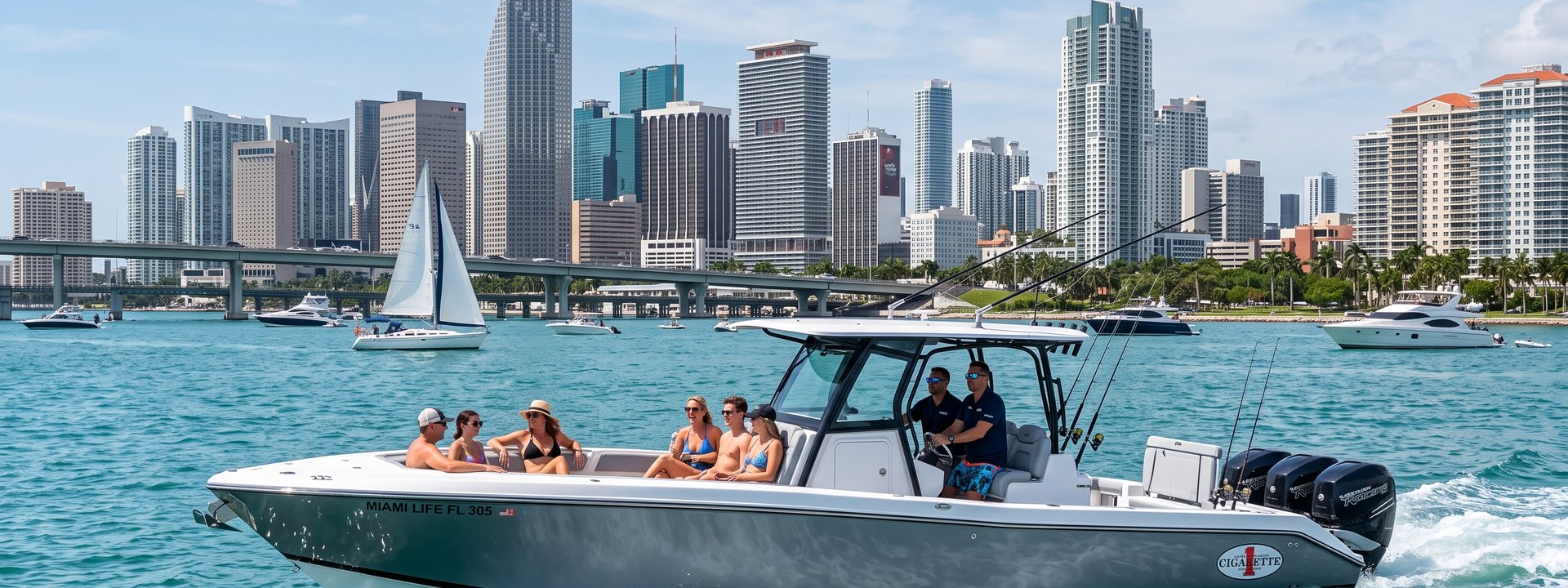
Powerboat Insurance Across Florida — Local Knowledge Matters
Coverage tailored to where you actually boat
Miami / Biscayne Bay
Biscayne Bay is Florida's premier powerboat playground — a vast protected bay stretching from downtown Miami to the northern Keys, dotted with sandbars and popular anchoring spots like the Sandbar near Crandon Park. Powerboats here range from small runabouts to large express cruisers, and the proximity to the Bahamas makes international navigation coverage particularly important for South Miami owners.
Fort Lauderdale / Intracoastal Waterway
Fort Lauderdale's 165 miles of navigable waterways make it the "Venice of America" and a paradise for powerboat owners. The Intracoastal Waterway runs through the heart of the city, with numerous drawbridges, marinas, and waterfront restaurants accessible by boat. High traffic and tight marina quarters mean property damage liability coverage is especially important in this area.
Tampa Bay / Gulf Coast
Tampa Bay is Florida's largest open-water estuary and offers powerboaters a mix of protected bay cruising, Gulf access via the passes, and popular destinations like Egmont Key and Caladesi Island. Gulf Coast boating brings exposure to afternoon storms and limited shelter options offshore, making emergency towing and hull coverage essential for owners who venture beyond the bay.
Florida Keys / Hawks Channel
The Florida Keys present some of the most scenic powerboating in the world — shallow backcountry flats, deep offshore canyons, and clear turquoise water all within minutes of each other. Grounding risk is high in the shallow flats, and the Keys' distance from major marinas makes emergency towing coverage especially valuable for anyone exploring the backcountry.
Best Florida Marine Insurance Providers for Powerboat Owners
Our panel includes these top-rated US marine insurers
FloridaCover
We match every Florida boater to their best-fit insurer
Best for: All Floridians: from weekend fishing and party boats to charter captains, commercial operators and liveaboards
- Your enquiry goes to a licensed Florida agent, not a call centre
- Florida-specialist marine insurance advisors
- Vessels from jet skis to superyachts. All types covered.
Progressive
America's #1 boat insurer by policy count
Best for: Recreational boaters and value-conscious owners
- Agreed value and actual cash value options
- Total loss replacement for newer boats
- Uninsured/underinsured boater coverage
BoatUS / GEICO Marine
America's boating association, trusted by millions
Best for: BoatUS members and frequent cruisers needing towing
- Includes BoatUS membership benefits
- Nationwide towing network on land and water
- Agreed value policies for most vessels
Markel
Specialist marine underwriter for serious boaters
Best for: High-value vessels, offshore cruisers, and liveaboards
- Agreed value policies. No depreciation on total loss
- Extended navigation areas including Caribbean
- Liveaboard coverage available
FloridaCover is a comparison and referral service — not a direct insurer. Compare all providers →
Frequently Asked Questions About Powerboat Insurance in Florida
Expert answers from our Florida marine specialists
Does Florida powerboat insurance cover hurricane damage?
How much does powerboat insurance cost in Florida?
Is powerboat insurance required by law in Florida?
What is the difference between agreed value and actual cash value for a Florida powerboat?
Does my auto insurance cover my boat trailer in Florida?
Does Florida powerboat insurance cover trips to the Bahamas?
Match Me to the Right Insurer
Tell us about your vessel and we'll match you to the best-fit Florida marine insurer within 24 hours.
Get a Quote →Powerboat Insurance by Florida Location
Every Florida waterway has its own risks. Find coverage tailored to your boating area.