Sailboat Insurance
in Florida
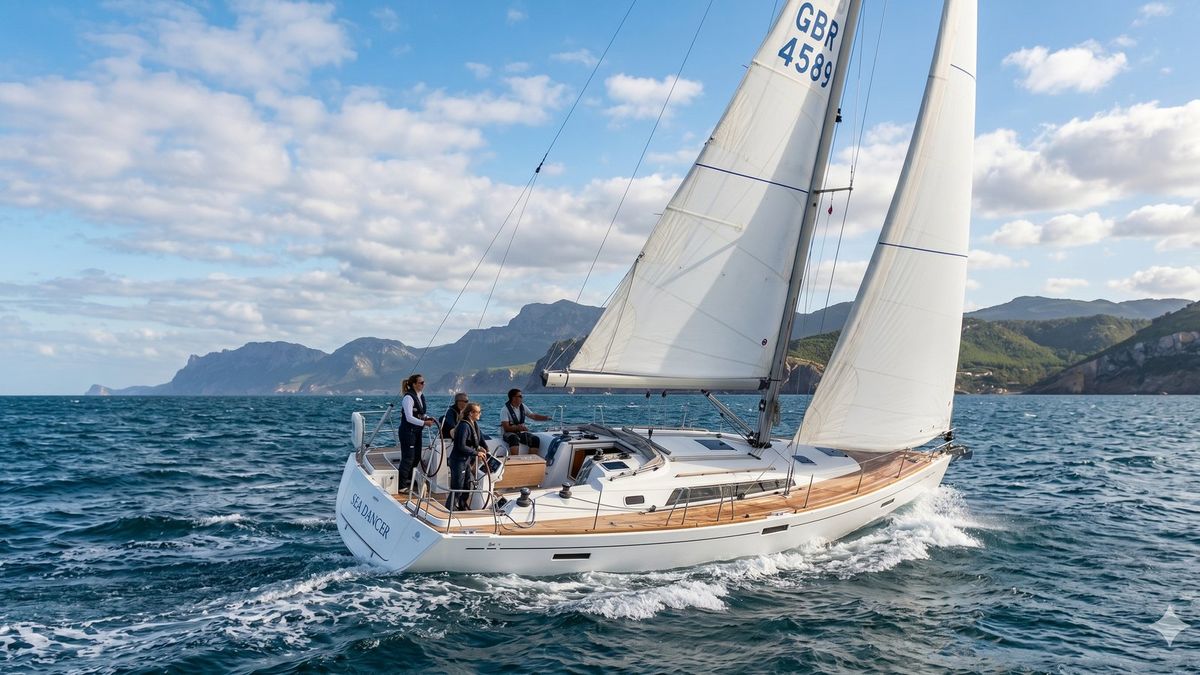
Harnessing Florida's steady trade winds
The Florida Keys offer some of the best coastal sailing in North America
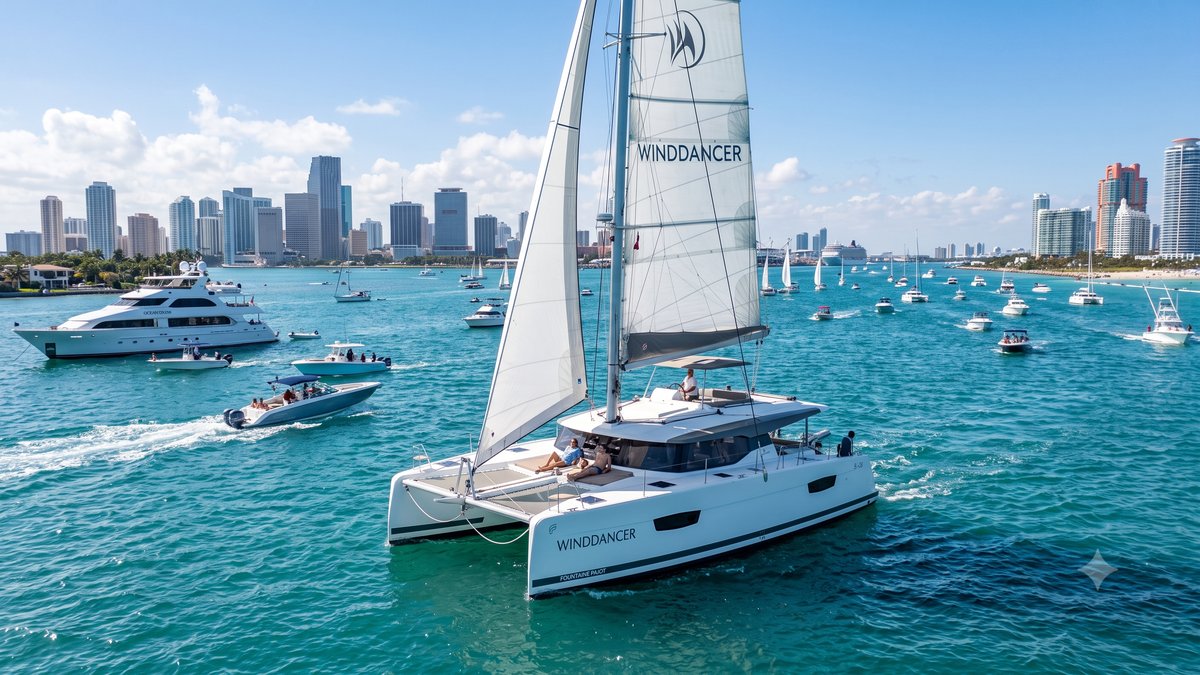
Biscayne Bay in Miami hosts numerous regattas and yacht clubs
Fort Lauderdale is a major hub for sailing charters and cruising yachts
Sailboat Cover Built for Florida Waters
Generic policies written for inland lakes rarely address Florida's realities: hurricane haul-out obligations, Intracoastal no-wake zones, offshore navigation to the Bahamas, and the highest boat-traffic density of any US state. A sailboat policy matched to Florida conditions protects you where it matters — at claim time.
How Florida Boaters Use Their Sailboat
Quick Quote
Sailboat Insurance Florida
What Does Sailboat Insurance Cover in Florida?
Every coverage type — explained for Florida conditions
Hull & Deck Coverage
Covers physical damage to your sailboat's hull, deck, cabin, keel, and underwater gear from collisions, groundings, and weather events. Florida sailboats face particular risks from waterspouts — sudden violent rotating columns of air over water that can cause dismasting or capsizing — and agreed value hull coverage ensures you are fully protected without a depreciation haircut.
Rig, Mast & Rigging
Covers your sailboat's mast, boom, standing rigging, and furling systems — often some of the most expensive components on the vessel. In Florida, lightning strikes are the primary threat to aluminum masts, and the cost of mast replacement, crane hire, and rigging can easily exceed $15,000–40,000 on a modern cruising yacht.
Sails & Canvas
Covers damage to sails, bimini, dodger, sail covers, and canvas from tearing, UV deterioration events, and storm damage. Florida's intense UV environment degrades sails faster than in northern states, and a quality set of cruising sails represents a major investment — typically $8,000–25,000 for a 40-foot sailboat.
Third-Party Liability
Covers your legal liability for injuries to others or damage to other vessels, docks, or property caused by your sailboat. Minimum recommended liability limits in Florida are $300,000–$500,000, with umbrella liability policies available for higher limits suitable for larger vessels or charter operations.
Offshore & Bluewater Navigation
Extends your policy to cover passages outside standard coastal limits — typically to the Bahamas, Caribbean, or bluewater ocean passages. Most Florida cruisers heading to the Bahamas depart from Fort Lauderdale, Miami, or the Keys, making an offshore navigation extension essential for anyone crossing the Gulf Stream into international waters.
Dismasting Coverage
While technically covered under hull coverage, dismasting is worth highlighting for Florida sailboats due to the state's thunderstorm and waterspout risk. A dismasting in Florida's offshore waters can leave you adrift in an exposed position — coverage for the mast, rigging, and resulting hull damage from a falling spar is critical for any bluewater sailboat.
Racing Extension
Standard cruising policies exclude damage that occurs during organized races. Florida's active racing community — from Biscayne Bay's Coconut Grove Sailing Club to offshore events like the Lipton Cup — means Florida sailors who race need a racing extension or separate race policy. This endorsement typically adds 10–20% to your base premium.
Liveaboard Coverage
Provides broader coverage for sailors who call their boat home in Florida's marinas. Liveaboard endorsements extend personal property coverage, add loss-of-use provisions, and address the continuous habitation that standard seasonal-use policies may not cover. Fort Lauderdale, Dinner Key Marina in Miami, and Key West's anchorages are popular Florida liveaboard destinations.
How Much Does Sailboat Insurance Cost in Florida?
Sailboat insurance in Florida is influenced significantly by the vessel's size, offshore capability, and whether the owner uses it as a liveaboard. Florida's hurricane season and lightning exposure — the state leads the nation in lightning strikes — also push premiums higher than in calmer coastal states.
For context: Florida boaters pay an average of around $839/year for marine insurance — the highest of any US state, reflecting hurricane exposure, high-traffic waterways, and a year-round boating season. Indicative ranges above are a starting guide only; your actual premium will be determined by vessel value, age, usage, navigation area, claims history, and the insurer selected.
Basic
from$300–600/yr
Small 24–30ft day sailor or coastal cruiser, day use only, marina storage, U.S. coastal navigation only.
Standard
from$600–1,800/yr
30–45ft coastal cruiser, offshore navigation, Bahamas endorsement, occasional liveaboard, agreed hull value $75k–200k.
Premium
from$2,000–8,000+/yr
45ft+ bluewater cruising yacht, Caribbean navigation, full liveaboard, racing extension, agreed hull value above $200k.
Factors That Affect Your Premium
Ready to find your best rate?
Florida advisors compare sailboat policies across our full provider panel.
What to Look for in Florida Sailboat Insurance
Confirm Your Navigation Territory Before Casting Off
Many Florida sailboat policies cover only a specific coastal range — perhaps 200 miles offshore or to a specific latitude. If you plan to sail to the Bahamas, Cuba, or the Caribbean from Florida, you need a specific navigation territory endorsement in place before departure. The Gulf Stream crossing alone takes you into international waters, so confirm your exact coverage limits with your broker before you set sail.
Get Proper Lightning Damage Coverage
Florida is the lightning capital of the United States, and a direct strike can destroy your mast, all electronics, your compass, and leave melted through-hulls. Ensure your policy explicitly covers electronics damage from lightning, not just direct structural damage. A full inventory of onboard electronics with replacement values is essential for accurate claim settlement after a lightning event.
Disclose Liveaboard Status Upfront
If you are living aboard your sailboat in a Florida marina — even part-time — disclose this to your insurer from day one. Undisclosed liveaboard use is a common cause of denied claims, and specialist liveaboard policies offer far better personal property and liability coverage than a standard recreational sailing policy.
Check Your Racing Exclusion Clause
If you participate in any organized race in Florida — even a club race or offshore passage race — you need a racing endorsement. Standard policies exclude all racing-related damage claims, and the absence of this coverage is only discovered when you need it most. The endorsement is typically modest in cost and covers all organized sailing events.
Understand Your Hurricane Plan Requirements
Florida sailboaters must have a documented hurricane plan accepted by their insurer before the season begins June 1. This plan specifies where you will take the boat — haul-out yard, hurricane hole, or inland mooring — and when you will act relative to a hurricane watch or warning. Non-compliance with the documented plan is the fastest way to invalidate a storm damage claim.
Got your checklist? Let us find your policy.
Tell us about your sailboat and we'll match you to the right Florida insurer — within 24 hours.
Florida Regulations Sailboat Owners Should Know
Florida Boater Education Requirements
Florida requires anyone born on or after January 1, 1988 operating a sailboat with an engine to carry a Florida Boating Safety Education ID card. While purely wind-powered sailing is exempt, the vast majority of Florida sailboats have auxiliary engines, making this requirement applicable to virtually all recreational sailors in the state.
USCG Navigation Rules
Florida sailors must comply with U.S. Coast Guard Navigation Rules — COLREGs for offshore waters and Inland Rules for inland waterways. Sailboats under power are treated as motor vessels, not sailing vessels, and must display the appropriate navigation lights. Violations can create liability exposure if an incident occurs and the vessel was not displaying correct lighting.
Vessel Registration & Documentation
Sailboats over 26 feet are eligible for U.S. Coast Guard documentation — a federal title that is recognized internationally and often required by lenders and marinas in the Bahamas. Smaller sailboats must be registered with Florida FWC annually. Documentation is preferred for bluewater cruisers as it simplifies customs clearance in foreign ports.
Charter Operation Compliance
Florida sailboats used for commercial charter must comply with U.S. Coast Guard uninspected passenger vessel regulations (46 CFR Subchapter C) and carry a valid Certificate of Documentation. Commercial charter insurance requirements are far more stringent than recreational policies, and operating charters without the correct commercial coverage can result in vessel seizure and significant personal liability exposure.
Make sure you're covered for Florida law.
Our advisors know Florida's requirements and will ensure your sailboat policy meets every obligation.
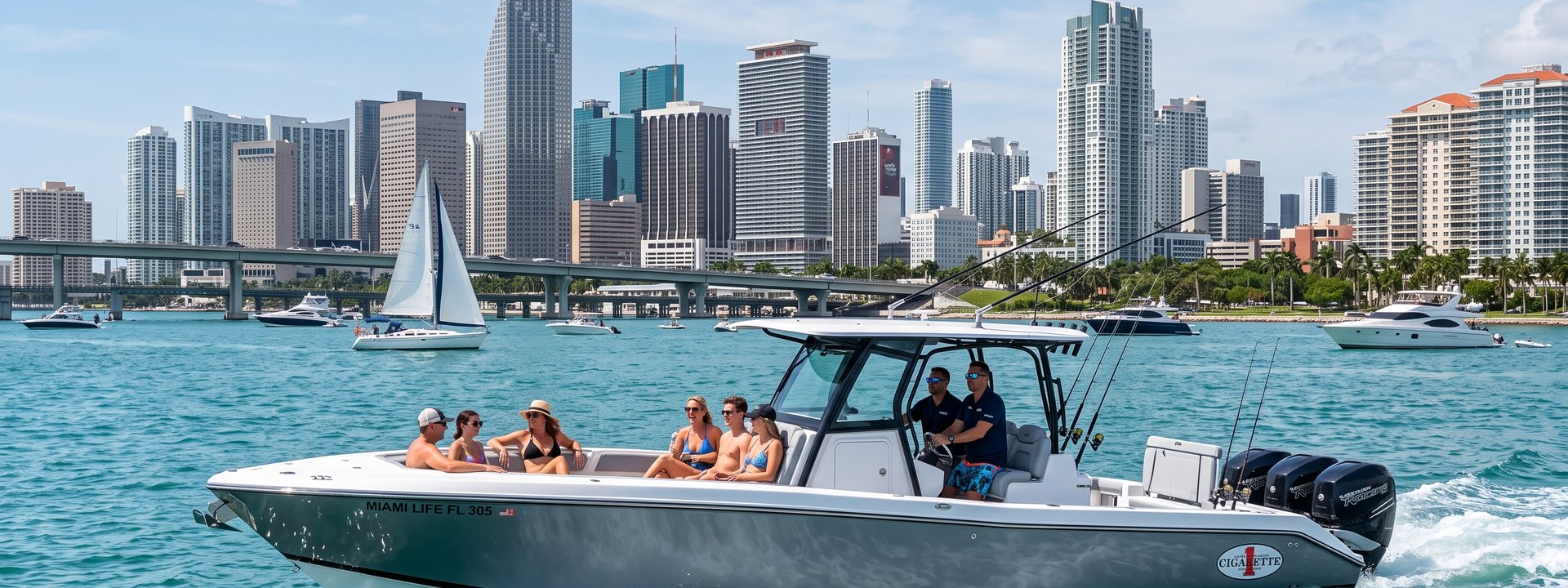
Sailboat Insurance Across Florida — Local Knowledge Matters
Coverage tailored to where you actually boat
Fort Lauderdale / New River
Fort Lauderdale is the center of Florida's cruising sailboat world, with Bahia Mar, Pier 66, and numerous marinas catering to passage-making yachts. The city's ICW access and proximity to the Gulf Stream make it the premier jumping-off point for Bahamas passages, and its extensive sailboat infrastructure — riggers, sailmakers, chandlers — makes it ideal for pre-departure preparation.
Key West / Atlantic Side
Key West attracts Florida's most adventurous sailors with its position at the gateway to the Caribbean and Cuba. The mooring field off Garrison Bight and the anchorage near Christmas Tree Island host a transient fleet ranging from small coastal cruisers to circumnavigators. The exposed location means storm awareness and proper anchoring technique are especially important here.
Tampa Bay / Old Tampa Bay
Tampa Bay offers some of the best protected sailing in Florida, with consistent afternoon sea breezes, multiple yacht clubs, and access to the Gulf of Mexico through the passes. The Sailing Club of Tampa Bay and St. Petersburg Yacht Club host active racing fleets, and the shallow approach channels require careful navigation — grounding coverage is valuable for any sailboat in these waters.
Pensacola / Gulf
Florida's Panhandle offers a different sailing experience — the Gulf of Mexico's emerald green waters, white sand beaches, and less crowded anchorages. Pensacola Yacht Club and Palafox Pier host Gulf coast sailors, and the relatively predictable afternoon sea breezes make this a great base for coastal cruising toward the Dry Tortugas and along the Alabama coast.
Best Florida Marine Insurance Providers for Sailboat Owners
Our panel includes these top-rated US marine insurers
FloridaCover
We match every Florida boater to their best-fit insurer
Best for: All Floridians: from weekend fishing and party boats to charter captains, commercial operators and liveaboards
- Your enquiry goes to a licensed Florida agent, not a call centre
- Florida-specialist marine insurance advisors
- Vessels from jet skis to superyachts. All types covered.
BoatUS / GEICO Marine
America's boating association, trusted by millions
Best for: BoatUS members and frequent cruisers needing towing
- Includes BoatUS membership benefits
- Nationwide towing network on land and water
- Agreed value policies for most vessels
Markel
Specialist marine underwriter for serious boaters
Best for: High-value vessels, offshore cruisers, and liveaboards
- Agreed value policies. No depreciation on total loss
- Extended navigation areas including Caribbean
- Liveaboard coverage available
Chubb
Prestige marine insurance for high-net-worth owners
Best for: Luxury yachts, superyachts, and high-value vessels
- No-depreciation agreed value on hull and equipment
- Worldwide navigation with Caribbean/Bahamas included
- Professional crew P&I included in package
FloridaCover is a comparison and referral service — not a direct insurer. Compare all providers →
Frequently Asked Questions About Sailboat Insurance in Florida
Expert answers from our Florida marine specialists
Does Florida sailboat insurance cover offshore passages to the Bahamas?
How much does sailboat insurance cost in Florida?
Does sailboat insurance cover lightning strikes in Florida?
Is liveaboard covered by standard sailboat insurance in Florida?
What sailboat racing coverage is available in Florida?
Do I need different insurance if my sailboat is a charter vessel in Florida?
Match Me to the Right Insurer
Tell us about your vessel and we'll match you to the best-fit Florida marine insurer within 24 hours.
Get a Quote →Sailboat Insurance by Florida Location
Every Florida waterway has its own risks. Find coverage tailored to your boating area.