Pontoon Boat Insurance
in Florida
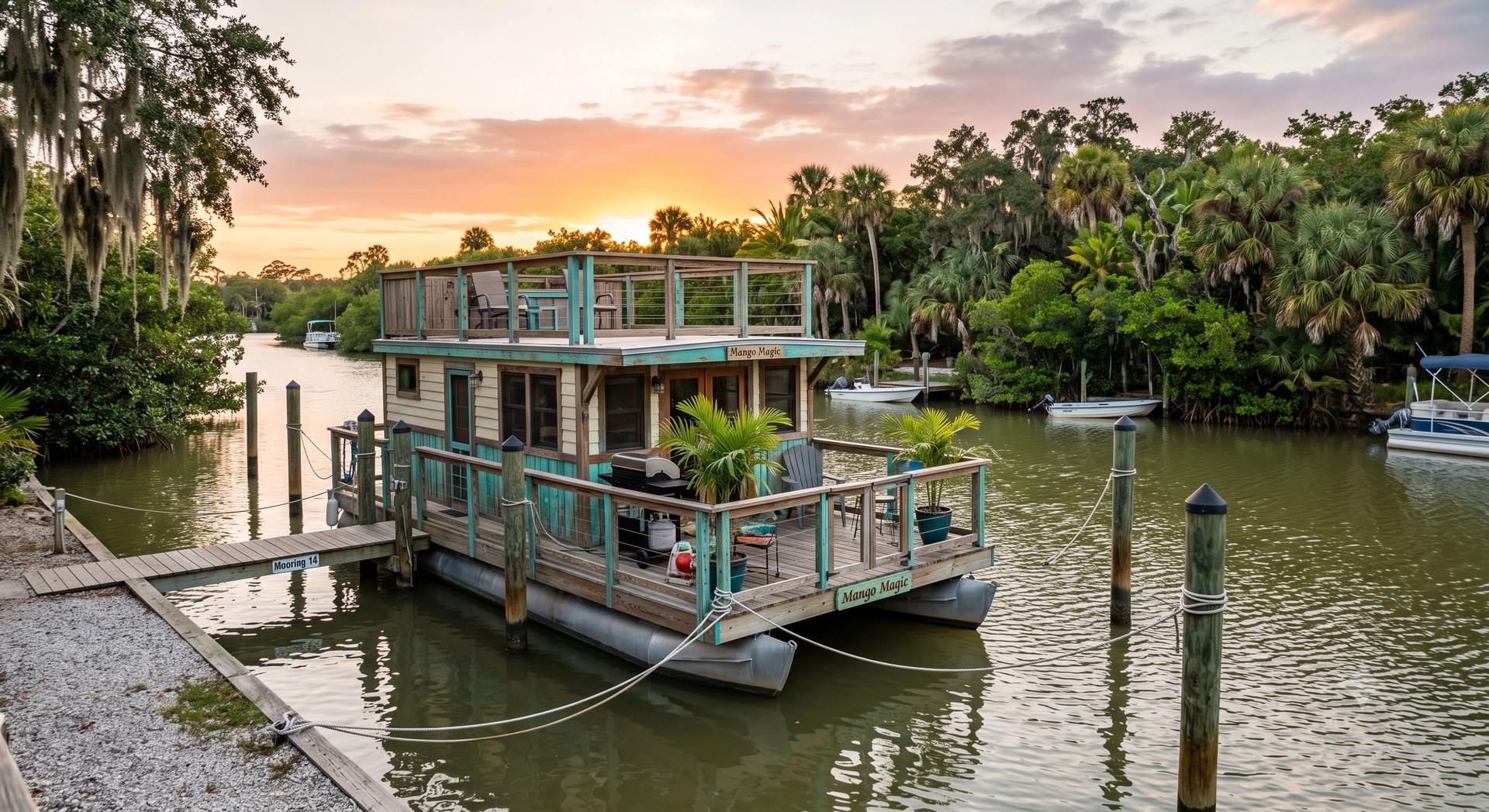
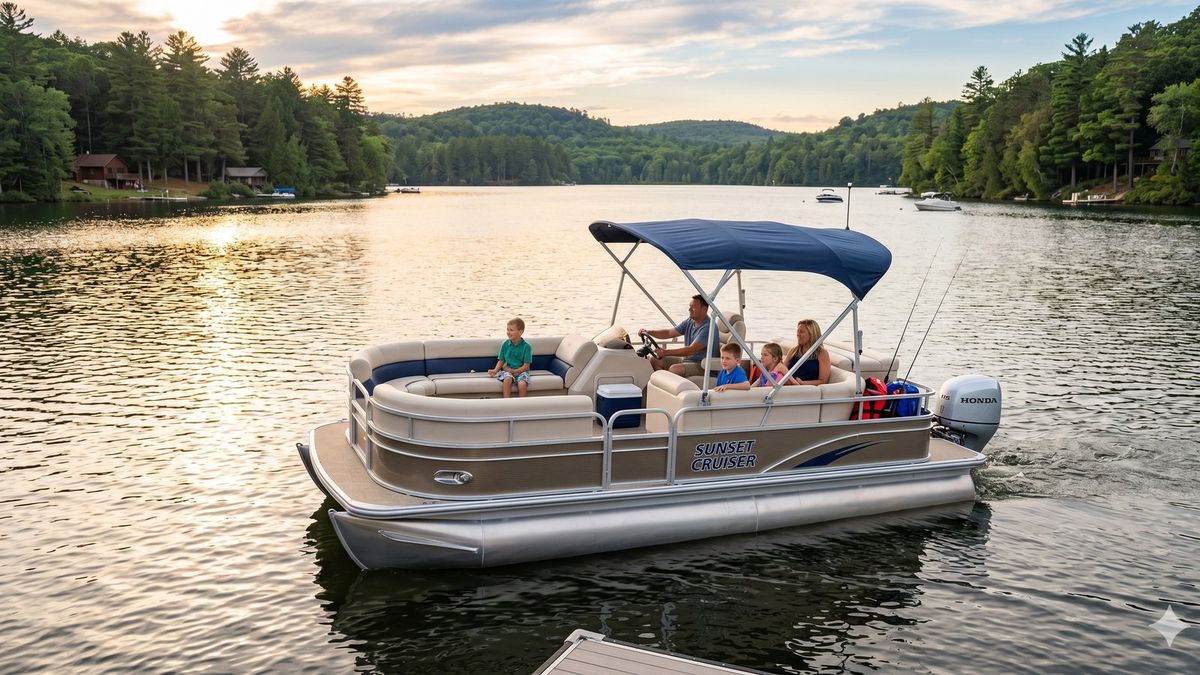
Florida's favorite family watercraft
Florida's freshwater lakes and rivers are perfect pontoon territory
Lake Okeechobee and the St. Johns River are popular pontoon destinations
Tri-toon (triple pontoon) models are increasingly popular for added stability
Pontoon Boat Cover Built for Florida Waters
Generic policies written for inland lakes rarely address Florida's realities: hurricane haul-out obligations, Intracoastal no-wake zones, offshore navigation to the Bahamas, and the highest boat-traffic density of any US state. A pontoon boat policy matched to Florida conditions protects you where it matters — at claim time.
How Florida Boaters Use Their Pontoon Boat
Quick Quote
Pontoon Boat Insurance Florida
What Does Pontoon Boat Insurance Cover in Florida?
Every coverage type — explained for Florida conditions
Hull & Pontoon Tube Coverage
Covers physical damage to your pontoon boat's deck, hull structure, and the aluminum pontoon tubes themselves from collisions, submerged obstacles, and impact damage. Pontoon tubes can be damaged by submerged stumps and shallow obstacles common on Florida's rivers and lakes, and repair or replacement of damaged tubes is a significant expense.
Motor & Drive Coverage
Covers damage to your outboard engine(s) from mechanical failure, collision, and submersion. Modern pontoon boats — especially luxury tritoons — may have 250–300hp outboards totaling $30,000–50,000 in engine value alone. Ensuring your motor coverage limit is adequate and checking whether mechanical breakdown is included is especially important for high-power engine packages.
Bodily Injury Liability
Pays for injuries to passengers, swimmers, or operators of other vessels if you are found at fault for an accident. Florida's popular pontoon waterways — the St. Johns River, Lake Okeechobee, and Tampa Bay — host abundant family water activity where accident exposure is real. Minimum recommended liability limits are $300,000 for a family pontoon.
Property Damage Liability
Covers damage your pontoon causes to docks, pilings, other boats, and waterway structures. Florida's popular river systems and lakeside marinas have closely spaced docks and vessels, and a pontoon's wide beam can make maneuvering in tight spaces challenging — particularly in crosswinds at popular waterfront restaurants.
Medical Payments
Covers medical expenses for you and your passengers regardless of who is at fault. Pontoon boats are popular for family outings in Florida, often carrying 8–12 passengers, making medical payments coverage particularly important given the higher occupancy these wide-beam vessels accommodate.
Uninsured Boater Coverage
Provides compensation when you are injured by an uninsured boat operator. Many Florida inland waterway boaters do not carry insurance, and incidents on popular Florida lakes are not unusual. Uninsured boater coverage ensures you are protected even when the at-fault party cannot pay for your medical expenses and injuries.
Personal Effects
Covers personal property aboard your pontoon — coolers, fishing gear, sound systems, safety equipment, and watersports accessories. Many Florida pontoon owners invest significantly in onboard entertainment and recreational equipment, and confirming your personal effects limit is adequate for your specific setup is worthwhile before you need to make a claim.
Fuel Spill Liability
Covers the cost of environmental cleanup if your pontoon's fuel system fails and spills fuel into Florida waterways. Florida's environmentally sensitive rivers and lakes — particularly the St. Johns, Suwannee, and Weeki Wachee — are home to protected species and ecosystems where fuel spills can trigger significant mandatory cleanup liability.
How Much Does Pontoon Boat Insurance Cost in Florida?
Pontoon boat insurance premiums in Florida reflect the vessel's hull value, engine configuration, and storage arrangements. Modern luxury tritoons with twin-engine setups command significantly higher premiums than basic flat-deck pontoons, while freshwater-only storage on inland lakes carries lower risk than saltwater marina storage.
For context: Florida boaters pay an average of around $839/year for marine insurance — the highest of any US state, reflecting hurricane exposure, high-traffic waterways, and a year-round boating season. Indicative ranges above are a starting guide only; your actual premium will be determined by vessel value, age, usage, navigation area, claims history, and the insurer selected.
Basic
from$150–300/yr
Older 20–22ft single-engine pontoon, freshwater lake use only, trailer or residential dock storage.
Standard
from$300–700/yr
22–26ft tritoon with 150–250hp engine, bay or river use, marina slip storage in coastal Florida.
Premium
from$700–1,500/yr
26ft+ luxury tritoon with twin engines, full electronics package, coastal marina storage, agreed hull value above $60k.
Factors That Affect Your Premium
Ready to find your best rate?
Florida advisors compare pontoon boat policies across our full provider panel.
What to Look for in Florida Pontoon Boat Insurance
Know the Difference Between Pontoon and Tritoon Coverage
Modern tritoon boats are substantially more complex and valuable than traditional pontoons, with three-tube configurations, higher horsepower engines, and luxury appointments that can push values past $80,000. Ensure your policy's insured value specifically reflects your boat's configuration — a basic pontoon valuation may significantly underinsure a high-spec tritoon with premium engine packages.
Confirm Freshwater and Saltwater Coverage
Many Florida pontoon owners use their boats on both inland freshwater lakes and saltwater coastal bays. Check whether your policy covers both environments explicitly — some policies restrict coverage to freshwater navigation only, which would leave you unprotected on Sarasota Bay or Tampa Bay. A marine policy that explicitly covers both environments is essential for Florida's diverse waterways.
Check Your Passenger Liability Limits
Pontoon boats regularly carry 8–12 or more passengers in Florida, and accidents with multiple injured parties can generate multiple simultaneous bodily injury claims. Standard minimum liability limits may not be sufficient for a vessel that can legally carry 10 or more people. Consider liability limits of at least $500,000 if you regularly entertain large groups on Florida waterways.
Understand Your Hurricane Storage Requirements
In Florida, your insurer may require your pontoon to be in dry storage or at least a specified distance from a hurricane's projected path when a watch or warning is issued. Marinas in hurricane-prone areas like the Charlotte Harbor region and Tampa Bay should be evaluated for their storm procedures before you commit to a slip — and before you finalize your insurance policy.
Got your checklist? Let us find your policy.
Tell us about your pontoon boat and we'll match you to the right Florida insurer — within 24 hours.
Florida Regulations Pontoon Boat Owners Should Know
FWC Vessel Registration
All pontoon boats operating on Florida waterways must be registered with the Florida FWC and display a current registration number and validation decal. Registration is annual and fees are based on vessel length. Out-of-state visitors who keep their pontoon in Florida for more than 90 consecutive days must also register with FWC.
Manatee Speed Zone Compliance
Florida's extensive manatee protection zone network applies to all vessel types including pontoons. These zones include idle speed, no-wake, and slow-speed minimum wake designations in waterways across the state. Violations carry fines of up to $500, and FWC officers actively patrol popular pontoon waterways including the Crystal River, Homosassa, and Indian River areas.
Boater Education Requirements
Anyone born on or after January 1, 1988 who operates a motorized pontoon boat must carry a Florida Boating Safety Education ID card. The FWC's Vessel Safety Check program also encourages voluntary safety compliance for required equipment including fire extinguishers, throwable flotation devices, and working navigation lights.
Passenger Capacity Rules
Florida law and U.S. Coast Guard regulations require all vessels to operate within their posted passenger capacity limits. Pontoon boats have capacity plates indicating maximum persons, weight, and horsepower. Overloading a pontoon can void your insurance coverage if an accident occurs, and FWC officers regularly check capacity compliance on busy Florida waterways.
Make sure you're covered for Florida law.
Our advisors know Florida's requirements and will ensure your pontoon boat policy meets every obligation.
Pontoon Boat Insurance Across Florida — Local Knowledge Matters
Coverage tailored to where you actually boat
St. Johns River / Central Florida
The St. Johns River is Florida's premier pontoon waterway — a 310-mile north-flowing river with numerous springs, lakes, and marinas ideal for pontoon cruising. From Astor to Sanford to Jacksonville, the river offers protected waters, manatee encounters, and stunning Florida wilderness scenery, with manatee speed zones extensive throughout the river system.
Caloosahatchee River / Fort Myers
The Caloosahatchee River connects Fort Myers to Lake Okeechobee via the Okeechobee Waterway and offers ideal pontoon territory with calm protected waters, beautiful sunsets, and access to Southwest Florida's coastal bays. The Fort Myers Beach area is particularly popular for pontoon boat excursions and waterfront dining by boat.
Tampa Bay / Hillsborough Bay
Tampa Bay's inner waterways — particularly Hillsborough Bay and Old Tampa Bay — offer excellent protected pontoon territory with dramatic downtown Tampa skyline views and access to numerous waterfront restaurants. The calm waters and family-friendly atmosphere make this one of Florida's top pontoon boating areas.
Lake Okeechobee / South Florida
Lake Okeechobee — Florida's largest freshwater lake at 730 square miles — offers pontoon boating on a grand scale. Popular with bass anglers and recreational boaters alike, the lake's extensive levee system and navigable canals provide excellent pontoon territory, and the freshwater environment eliminates saltwater corrosion concerns.
Best Florida Marine Insurance Providers for Pontoon Boat Owners
Our panel includes these top-rated US marine insurers
FloridaCover
We match every Florida boater to their best-fit insurer
Best for: All Floridians: from weekend fishing and party boats to charter captains, commercial operators and liveaboards
- Your enquiry goes to a licensed Florida agent, not a call centre
- Florida-specialist marine insurance advisors
- Vessels from jet skis to superyachts. All types covered.
Progressive
America's #1 boat insurer by policy count
Best for: Recreational boaters and value-conscious owners
- Agreed value and actual cash value options
- Total loss replacement for newer boats
- Uninsured/underinsured boater coverage
BoatUS / GEICO Marine
America's boating association, trusted by millions
Best for: BoatUS members and frequent cruisers needing towing
- Includes BoatUS membership benefits
- Nationwide towing network on land and water
- Agreed value policies for most vessels
Foremost
Reliable protection for everyday Florida boaters
Best for: Small to mid-size recreational boats and personal watercraft
- Broad recreational boat and PWC coverage
- Bundling discounts with home and auto
- Watercraft liability coverage
FloridaCover is a comparison and referral service — not a direct insurer. Compare all providers →
Frequently Asked Questions About Pontoon Boat Insurance in Florida
Expert answers from our Florida marine specialists
Is pontoon boat insurance required in Florida?
How much does pontoon boat insurance cost in Florida?
Does pontoon boat insurance cover manatee collisions in Florida?
Can I use a pontoon boat policy for a tritoon in Florida?
Does Florida pontoon insurance cover freshwater lakes and rivers?
What happens to my pontoon boat insurance during hurricane season?
Match Me to the Right Insurer
Tell us about your vessel and we'll match you to the best-fit Florida marine insurer within 24 hours.
Get a Quote →Pontoon Boat Insurance by Florida Location
Every Florida waterway has its own risks. Find coverage tailored to your boating area.