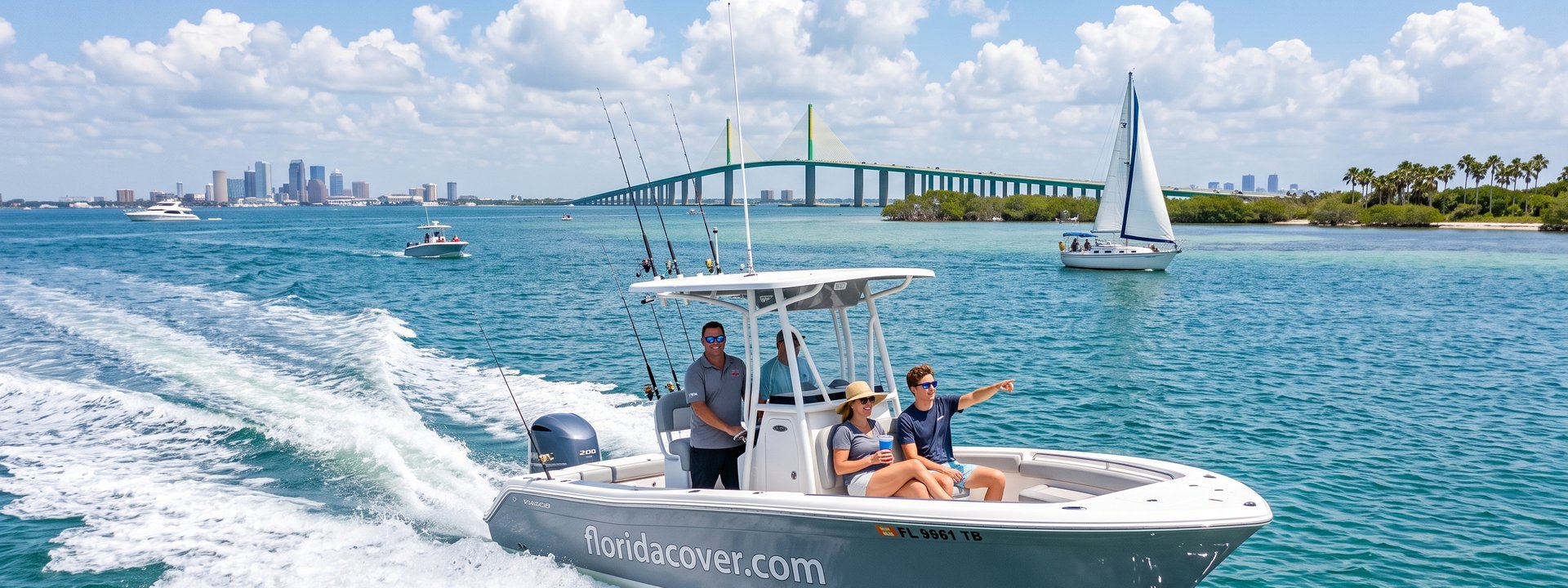
Florida hurricane season runs June through November. Here's a comprehensive guide to protecting your vessel from tropical storms and hurricanes — and ensuring your marine insurance covers you.
Why Hurricane Preparation Matters for Florida Boaters
Florida is the most hurricane-prone state in the United States. With hurricane season officially running from June 1 through November 30, Florida boaters face a six-month window when any trip to the marina could be the last before a major storm arrives. The consequences of inadequate preparation can be devastating — both financially and emotionally.
Hurricane Andrew in 1992, Charley in 2004, and Ian in 2022 all reminded Florida boaters that these storms can materialize rapidly and hit with catastrophic force. Preparation isn't optional — it's essential. And critically, your marine insurance policy may have specific requirements you must follow during a named storm, or risk losing your coverage.
Understanding Your Insurance Policy's Hurricane Requirements
Before hurricane season begins, read your marine insurance policy carefully. Many policies include a "named windstorm" clause that requires you to take specific protective actions when a named storm threatens your area. Common requirements include:
- Moving the vessel to a designated safe haven or approved marina
- Hauling the vessel out of the water at an approved yard
- Following specified mooring protocols with a certain number and type of lines
- Removing sails, canvas, and lightweight equipment
- Documenting the vessel's condition and location before the storm
Failure to comply with these requirements can result in a reduced payout or denial of your claim. Contact your insurer or broker at the start of each season to confirm the exact requirements in your policy.
The Hurricane Haul-Out Decision
Hauling your vessel out of the water before a hurricane is the single most effective way to protect it from storm damage. Out-of-water storage eliminates the risk of sinking, dragging anchor, breaking free of moorings, and being damaged by storm surge. Most Florida boatyards accept reservations for haul-out spots well before storm season — call early, as these spots fill up quickly.
When having your boat hauled:
- Remove all electronics, outboard motors (if possible), and valuables
- Secure or remove bimini tops, dodgers, and canvas
- Remove sails from sailboats or lash them tightly
- Ensure the vessel is adequately blocked and braced in the yard
- Photograph everything before you leave
Storm Mooring Best Practices
If hauling isn't possible, proper mooring is your next best option. Florida marinas often have designated "hurricane holes" — protected anchorages or basins that offer natural wind shelter. Key mooring practices include:
- Using double or triple lines on all cleats and dock fittings
- Adding spring lines to limit fore-and-aft movement
- Increasing dock line length to allow for storm surge (3–5 feet is common in Florida)
- Using chafing gear on all lines where they contact cleats or fairleads
- Removing anchors if anchoring, ensuring adequate scope (7:1 minimum in storms)
- Coordinating with marina staff on storm protocols
Interior Preparation
Inside your vessel, preparation should include:
- Pumping the bilge dry and ensuring automatic bilge pumps are working
- Removing all loose gear, cushions, and equipment from the cockpit and deck
- Closing all seacocks except the bilge pump intake
- Removing personal electronics, navigation equipment, and valuables
- Taking a video walk-through of the vessel's interior and exterior for insurance documentation
After the Storm: Filing Your Insurance Claim
If your vessel sustains damage in a hurricane:
- Document all damage immediately with photos and video before any cleanup or repairs
- Notify your insurer as soon as possible — most policies require prompt notification
- Make temporary repairs to prevent further damage (keep all receipts)
- Do not authorize major repairs until your insurer has assessed the damage
- Keep records of all expenses related to the storm
Florida's major marine insurers — Progressive, BoatUS, Markel, Chubb, and Foremost — all have dedicated claims teams experienced with hurricane damage. Prepare for potential delays in claim processing following a major storm when thousands of vessels are affected simultaneously.
Plan Ahead Every Season
The best hurricane preparation starts months before a storm threatens. Review your insurance policy in May, book haul-out reservations early, gather supplies, and establish a storm plan with your marina. A proactive approach protects your vessel, your finances, and your peace of mind throughout Florida's hurricane season.
The FloridaCover editorial team has over 15 years of combined experience covering US marine insurance, Florida boating, and maritime industry research.