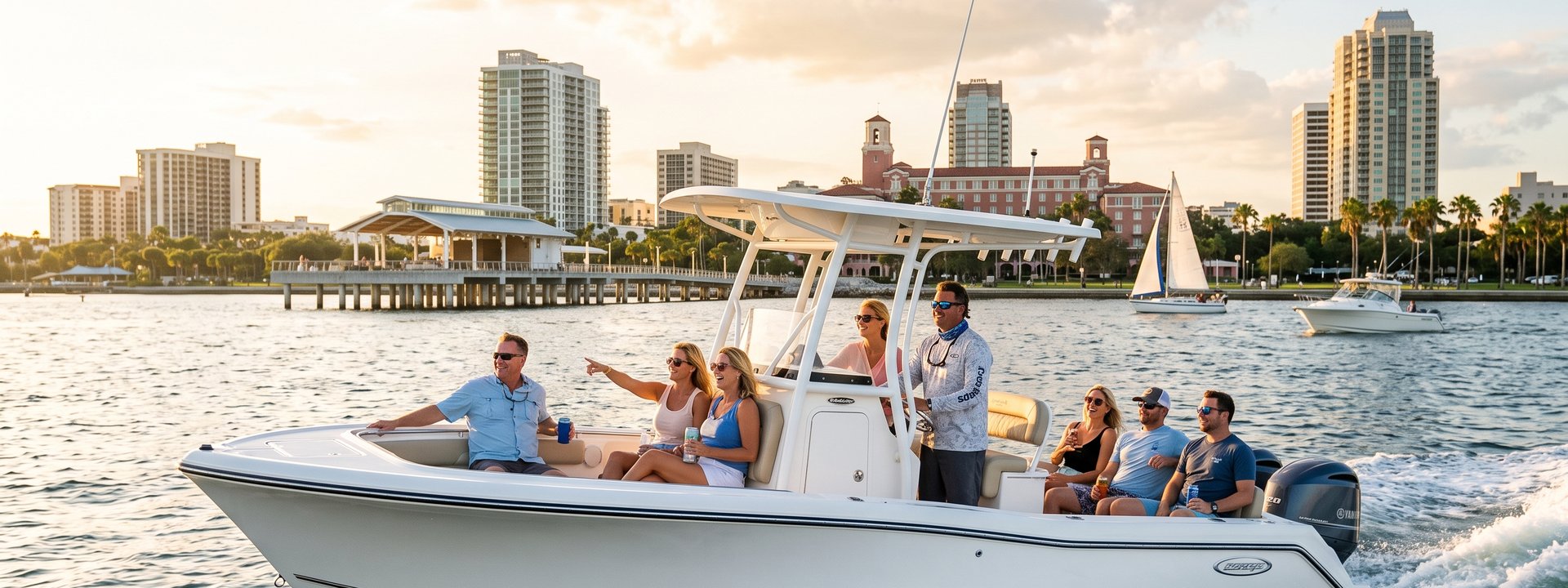
Smart Florida boaters save hundreds each year on marine insurance without cutting corners on coverage. Here are 10 proven strategies that actually work.
Lower Your Florida Boat Insurance Premium Without Reducing Your Protection
Florida boat owners pay some of the highest marine insurance premiums in the country — but there is no reason to pay more than necessary. The strategies below are genuine, insurer-recognized approaches that reduce premium without creating dangerous gaps in coverage. Used together, they can cut your annual bill by 20 to 40 percent over time. Start implementing them now and you will see results at your next renewal.
1. Complete a NASBLA-Approved Safety Course
A National Association of State Boating Law Administrators-approved boater safety course earns a discount of 10 to 15 percent with most major Florida marine insurers. The Florida Fish and Wildlife Conservation Commission offers free and low-cost courses both online and in person. The US Coast Guard Auxiliary and US Power Squadrons also offer excellent courses. The discount applies every year you maintain the policy, making the one-time investment in a course one of the highest-return actions a Florida boat owner can take.
2. Switch to Dry Storage
Storing your boat in a covered, gated dry storage facility rather than in the water at a marina is one of the most impactful premium levers available. Dry storage eliminates sinking risk, dramatically reduces theft exposure, and removes your vessel from storm surge reach during hurricanes. Insurers recognize all of these benefits and price dry storage policies 15 to 25 percent lower than equivalent in-water storage policies. The monthly dry storage fee is often completely offset by the insurance savings plus the benefit of a cleaner hull.
3. Install a GPS Tracker and Anti-Theft System
A properly documented GPS tracking device on your boat can earn a 5 to 10 percent discount with insurers who recognize security improvements. More importantly, if your boat is ever stolen, the tracker dramatically improves recovery chances. Products like Siren Marine, CalAmp LMU series, and Garmin inReach all work well for this purpose. Tell your insurer about the installation and ask specifically whether they offer a discount — not all carriers advertise this benefit proactively.
4. Increase Your Hull Deductible
Moving your hull deductible from $500 to $1,000, or from $1,000 to $2,500, reduces your hull premium by 10 to 20 percent depending on the carrier. This strategy is most appropriate for boaters with financial reserves who want to self-insure small claims and use their insurance for genuine catastrophic losses. Do not raise your deductible so high that a moderate claim would leave you in financial difficulty — the sweet spot for most Florida boaters is between $1,000 and $2,500 on a boat valued at $50,000 or more.
5. Bundle Boat Insurance with Home or Auto
Multi-policy discounts from carriers like Progressive, Foremost through Farmers, and Allstate can save 5 to 15 percent when you bundle your boat policy with your homeowners or auto insurance. Always compare the bundled total against the best standalone marine quote from a specialist carrier — the bundle is not always cheaper, particularly for offshore or high-value vessels where specialist insurers have distinct pricing advantages.
6. Qualify for a Layup Period Discount
If you genuinely do not use your boat for extended periods each year, some insurers offer a layup period arrangement that suspends on-water liability coverage during those months, reducing the annual premium by up to 25 percent for the inactive period. You retain hull coverage for fire, theft, and storm damage during the layup. This makes most sense for seasonal boaters who are not in Florida year-round or who put the boat away for several months each summer.
7. Maintain a Claims-Free Record
Every year without a claim improves your standing with insurers and earns you better renewal rates. Progressive's disappearing deductible program reduces your deductible by 25 percent for each claim-free policy period. Other carriers offer loyalty and claims-free discounts at three, five, and ten-year milestones. When you have a minor incident that falls near or below your deductible, carefully evaluate whether filing a claim is worth the long-term premium impact before you call your insurer.
8. Choose ACV Coverage for Older Low-Value Boats
For boats more than 15 years old with low market values, switching from agreed value to actual cash value hull coverage can meaningfully reduce your hull premium. If your boat is realistically worth $6,000 on the market, paying premium on a $15,000 agreed value policy makes little financial sense. Match your coverage to reality — insure at fair market value using ACV for older vessels, and save the agreed value premium for new or high-value boats where depreciation at claim time would create a painful shortfall.
9. Restrict Your Navigation Area
Navigation area is a major rate driver in Florida marine insurance. Offshore navigation beyond 25 miles costs more than coastal-only coverage. Bahamas extension adds cost. Worldwide navigation is most expensive. If you realistically boat only within Florida's coastal and inland waters, do not pay for offshore or international navigation extensions you will never use. Tell your broker your true operational range and let them find the narrowest — and least expensive — navigation area that genuinely covers your boating.
10. Work with a Specialist Marine Broker
The single most reliable way to find the lowest possible rate for genuinely good Florida marine coverage is to work with a specialist marine insurance broker who markets your risk to multiple carriers simultaneously. Rates for identical vessels can vary by 25 to 40 percent between carriers — and only a broker with access to the full market can find the best option for your specific situation. Specialist brokers also know which carriers are currently offering preferred pricing for your vessel type, something that changes quarterly as underwriters adjust their appetites.
Ready to find your best-fit insurer? Get a Quote from FloridaCover — we match every Florida boater to the right carrier for their vessel and use.
The FloridaCover editorial team has over 15 years of combined experience covering US marine insurance, Florida boating, and maritime industry research.