Day charter operations face unique insurance exposures that standard marine policies never address. Here is what every day charter operator in Florida needs.
Day Charter Operations in Florida: A Diverse and Growing Industry
Florida's day charter industry is one of the most active in the world. From half-day fishing trips departing Fort Lauderdale's Port Everglades at dawn to sunset cocktail cruises through Biscayne Bay, from snorkel charters over the Looe Key reef to dolphin-watching tours in Sarasota Bay, Florida's charter operators serve millions of tourists and residents every year. Each of these operations involves paying passengers, licensed captains, and significant liability exposure — all of which require commercial marine insurance rather than the recreational policies that most individual boat owners carry.
What Makes Day Charter Insurance Different
Day charter operations — typically defined as charter trips lasting 4 to 10 hours with passengers returning to the origination port the same day — face several unique insurance exposures that standard recreational policies explicitly exclude:
- Commercial use exclusion: Any recreational marine policy includes a commercial use exclusion that voids coverage the moment paying passengers board. A charter operator who has not replaced their recreational policy with a commercial policy is completely uninsured for their entire business operation.
- Passenger liability: Each paying passenger represents a potential bodily injury claim. A day charter carrying 6 fishing customers has 6 potential claimants in the event of an accident. A sunset cruise vessel carrying 25 passengers has 25. Per-passenger liability limits must be adequate.
- Alcohol service liability: Sunset cruises and party boat operations that serve alcohol face social host liability — if a passenger becomes intoxicated and is subsequently injured or injures others, the charter operator may share liability. BYOB charter operations reduce but do not eliminate this exposure.
- Dockside liability: Passengers boarding and disembarking from a charter vessel create slip-and-fall liability at the dock, which is separate from on-water liability and requires specific coverage.
Types of Florida Day Charter Operations and Their Coverage Needs
Different charter types have distinct coverage profiles:
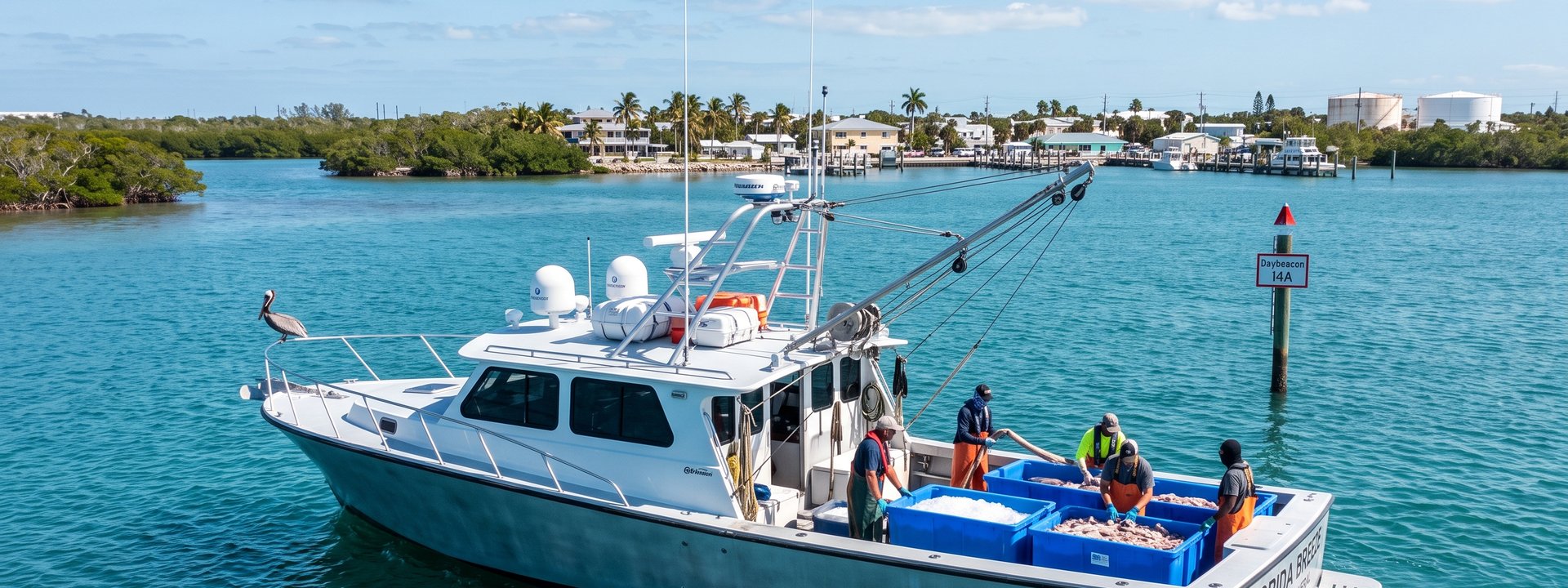
- Fishing charters (6-pack and party boat): Liability for hook and tackle injuries, passenger falls overboard, and fish hook punctures. Strong medical payments coverage is particularly relevant. Party boats carrying 25 to 100 passengers need higher per-occurrence limits.
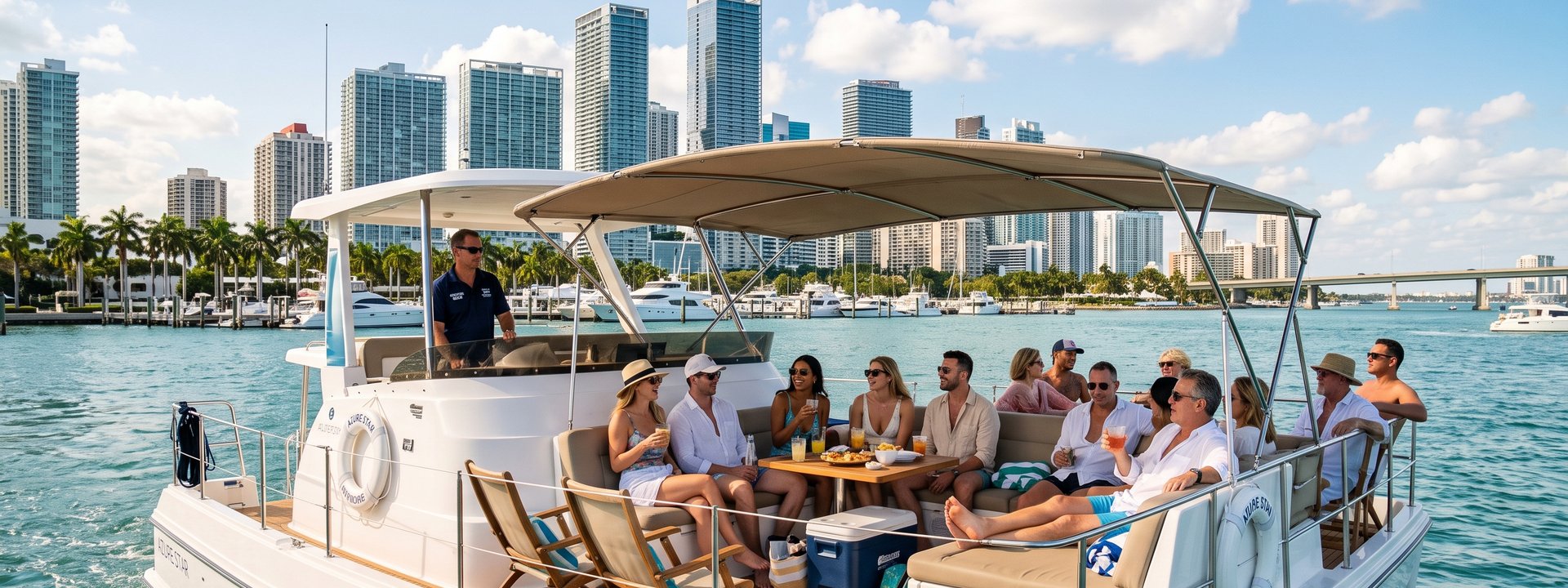
- Sunset and cocktail cruises: Alcohol-related liability is the primary concern. Consider the specific policy language around alcohol service and whether the policy covers social host liability on the water.
- Snorkel and dive charters: In-water passenger liability while snorkeling or diving is a unique exposure. Propeller strike prevention and diver/swimmer liability should be explicitly addressed in the policy.
- Dolphin watching and ecotours: Lower physical risk than fishing or diving charters, but passenger counts are often higher. Per-occurrence limits must match maximum passenger capacity.
Part-Time Charter Operations
A growing number of Florida boat owners operate as part-time charter captains — running charters on weekends or occasionally while maintaining their boat primarily for personal use. This hybrid model creates insurance complexity: recreational coverage never applies during charter operations, and a full commercial policy may cost more than a part-time operator generates in revenue. Some carriers offer part-time or occasional charter endorsements that add commercial coverage for a limited number of charter days per year. If you run charters only 20 to 40 days per year, this endorsement approach may be more cost-effective than a full commercial policy.
USCG and Dockside Operator Requirements
Florida day charter operators must comply with Coast Guard requirements including proper life jacket counts, fire extinguisher requirements, visual distress signals, and sound-producing devices based on vessel size and passenger count. Commercial vessels carrying more than 6 passengers must pass periodic USCG inspections and maintain a Certificate of Inspection specifying the maximum number of passengers allowed. Your insurer will want to know your Certificate of Inspection passenger limit to properly price passenger liability.
Ready to find your best-fit insurer? Get a Quote from FloridaCover — we match every Florida boater to the right carrier for their vessel and use.
The FloridaCover editorial team has over 15 years of combined experience covering US marine insurance, Florida boating, and maritime industry research.