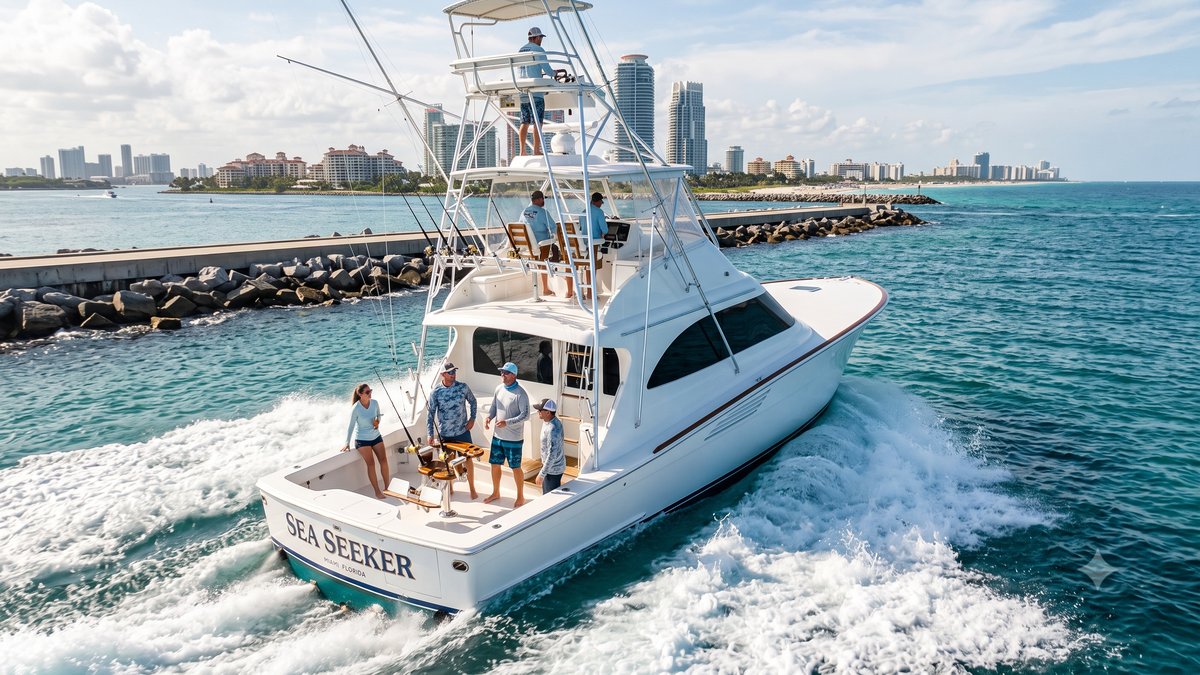
From the Gulf flats to the Atlantic blue water, Florida's best fishing destinations each come with different risks. Here is what your insurance should cover at each spot.
Florida Fishing: World-Class Destinations and Real Insurance Risks
Florida is widely considered the Fishing Capital of the World — a designation that is difficult to dispute. The state's 1,350 miles of coastline, access to both Gulf of Mexico and Atlantic Ocean fisheries, world-class backcountry flats, productive nearshore reefs, spectacular offshore canyon fishing, and world-record freshwater bass fisheries give Florida anglers more variety and quality than almost any other destination on earth. But each of Florida's distinctive fishing environments comes with different risk profiles, and your marine insurance should be calibrated to cover the specific waters where you fish.
The Florida Keys Backcountry Flats
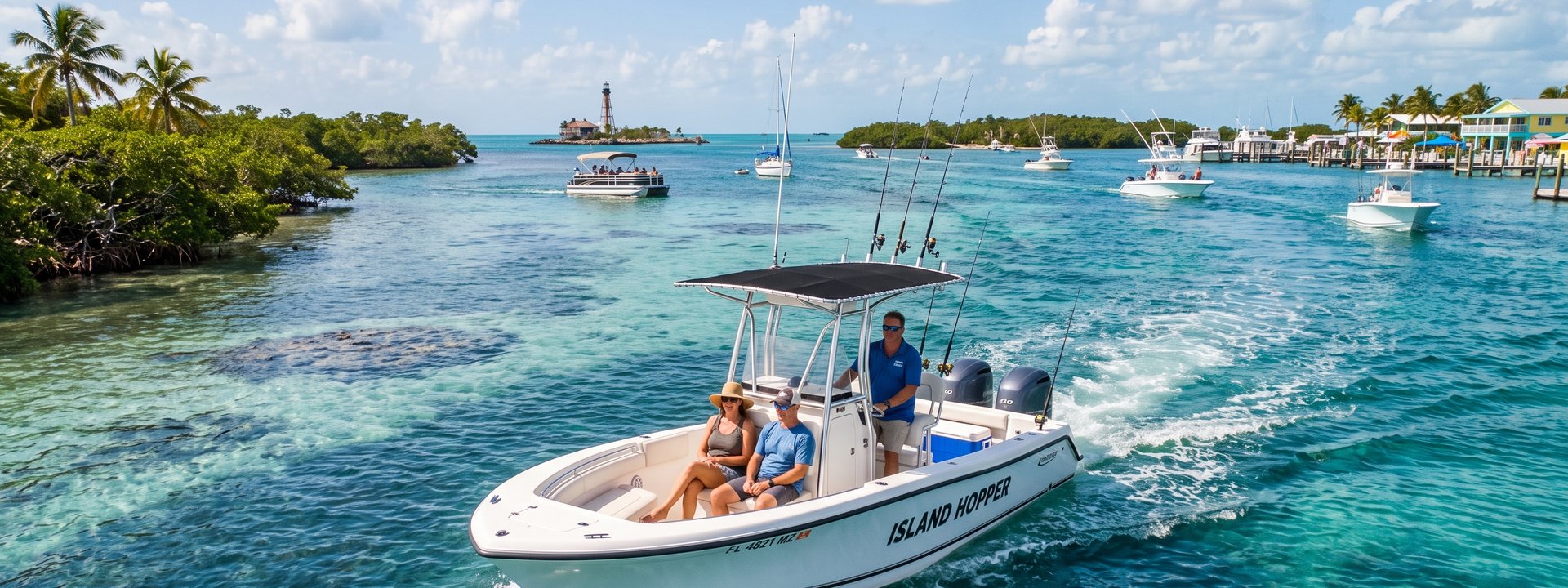
Fly fishing for permit, bonefish, and tarpon on the Florida Keys backcountry flats is a bucket-list experience for anglers worldwide. The shallow water environment — often 1 to 3 feet deep — means flatboats, skiffs, and poling skiffs are the vessels of choice. The risk profile here is dominated by grounding: even experienced guides familiar with every channel frequently touch bottom on the Keys' complex tidal flats. Your policy must cover grounding as a standard peril without exclusion. Running in skinny water also creates risk of propeller strike on submerged objects (crab trap lines, sunken debris) — confirm your hull policy covers underwater damage from submerged objects.
Gulf of Mexico Offshore Fishing
The Gulf's offshore fishing is dominated by center console and sportfisher operators targeting red snapper, grouper, amberjack, and kingfish on offshore structure from 30 to 150 miles offshore. Offshore operation creates several insurance considerations: navigating area must extend to your typical fishing range (many trips are 50 to 100+ miles offshore, beyond the limits of policies with 20 or 30-mile offshore restrictions); weather risk increases dramatically offshore; and breakdown rescue costs at 80 miles offshore are substantial. The disappearing deductible programs and towing coverage from carriers like BoatUS are particularly valuable for offshore Gulf anglers.
Atlantic Bluewater: The Gulf Stream
The Atlantic Gulf Stream, flowing north along Florida's East Coast at 3 to 5 knots, is one of the world's great pelagic fishing destinations. Sailfish, marlin, mahi-mahi, wahoo, and tuna attract serious offshore anglers from Palm Beach, Fort Lauderdale, and Miami to the Stream's blue edge 10 to 25 miles offshore. Gulf Stream crossings and blue-water operation require an offshore policy with appropriate navigating area. The Stream itself is US waters and within most standard offshore policies, but confirm the specific offshore mileage limit in your policy.
Space Coast Inshore: Indian River Lagoon
Florida's Brevard County Indian River Lagoon is one of the most biodiverse estuaries in North America and a premier destination for redfish, snook, and sea trout on light tackle and fly rods. The lagoon system is well within any Florida inshore policy's coverage territory. The primary insurance risk here is collision with other watercraft in busy weekend traffic, and property damage liability to the numerous docks and structures along the lagoon's heavily developed shoreline.
Checking Your Policy Before Each Fishing Trip
The practical guidance for Florida anglers is to review your policy's navigating area limits against your actual planned fishing locations. If you typically fish within 20 miles of shore on the nearshore reef, a coastal policy is fine. If your season includes trips to the deep water canyon (50+ miles) or Bahamas pelagic fishing (international waters), your policy must extend to cover those waters. Confirm before the trip — not after a loss at sea reveals a gap in your coverage.
Ready to find your best-fit insurer? Get a Quote from FloridaCover — we match every Florida boater to the right carrier for their vessel and use.
The FloridaCover editorial team has over 15 years of combined experience covering US marine insurance, Florida boating, and maritime industry research.